
Why Concrete Patios Get Dirty
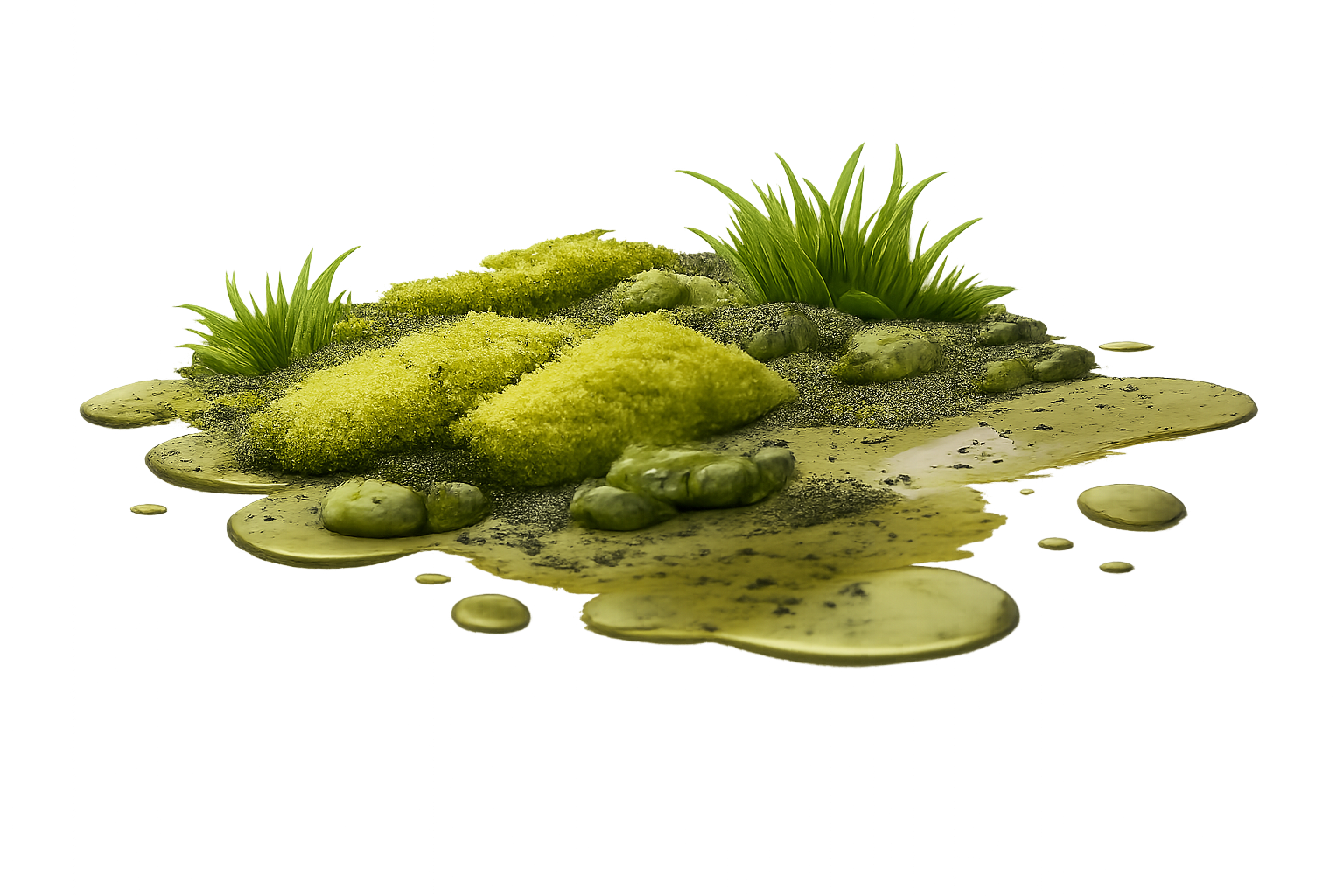
Concrete is porous, which means it absorbs dirt, moisture, and stains. In shaded areas, that moisture can feed mold and algae. Over time, foot traffic and outdoor living leave the surface dull and patchy.
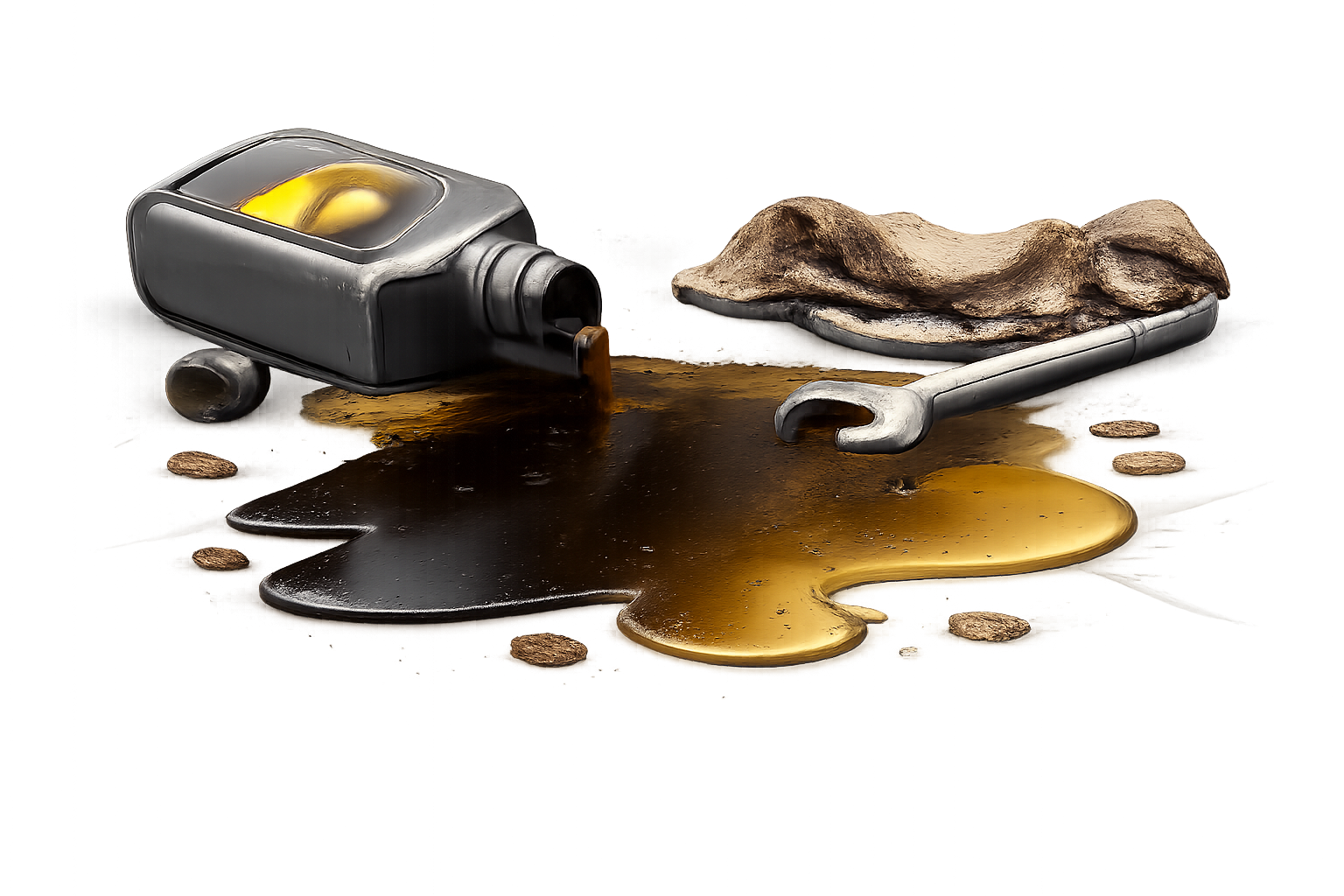
- Porous concrete absorbs dirt and grease
- Moisture in shade leads to mold and algae
- Foot traffic grinds dirt into the surface
- Grills and plants leave stains
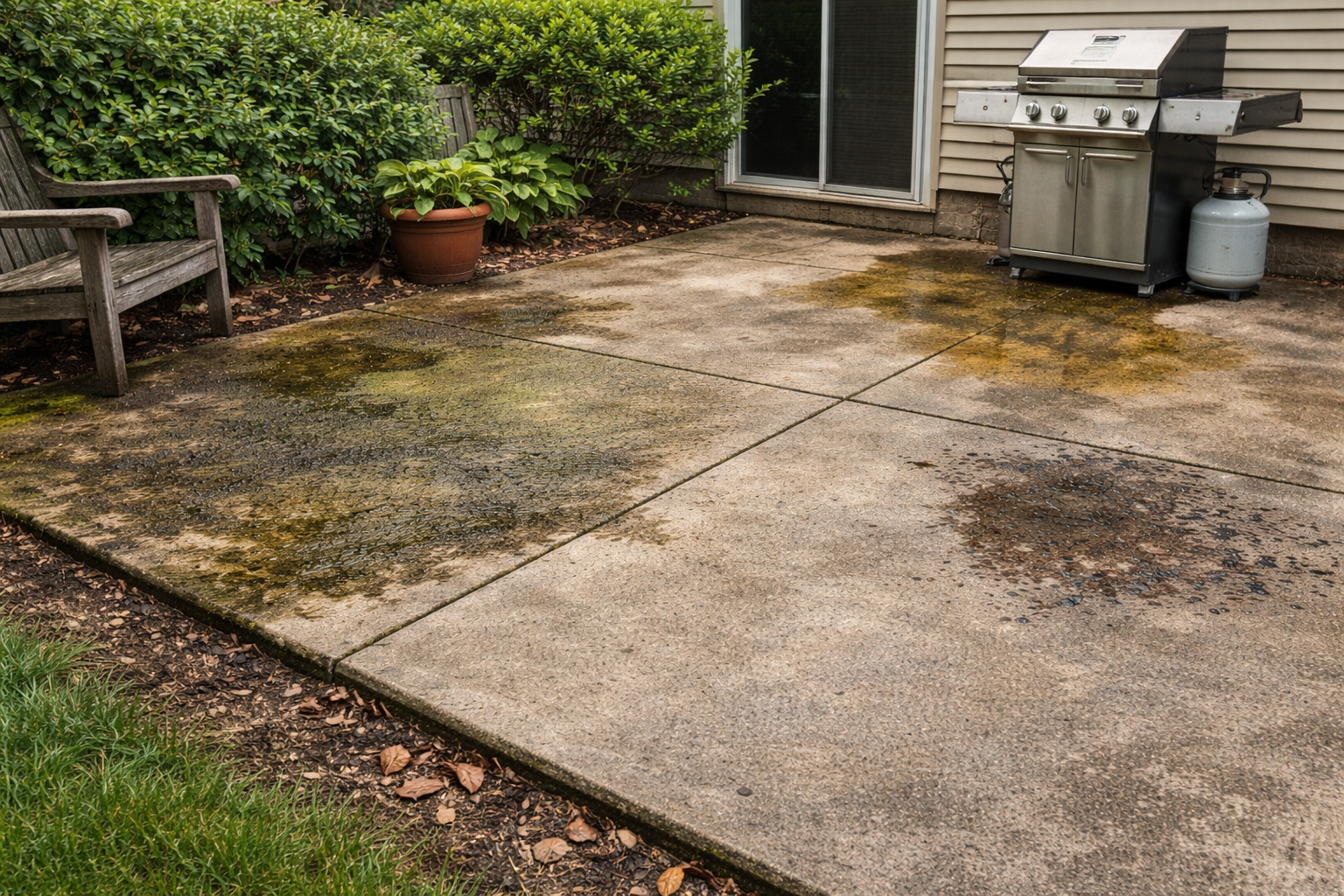
Step-by-Step: How to Clean a Concrete Patio
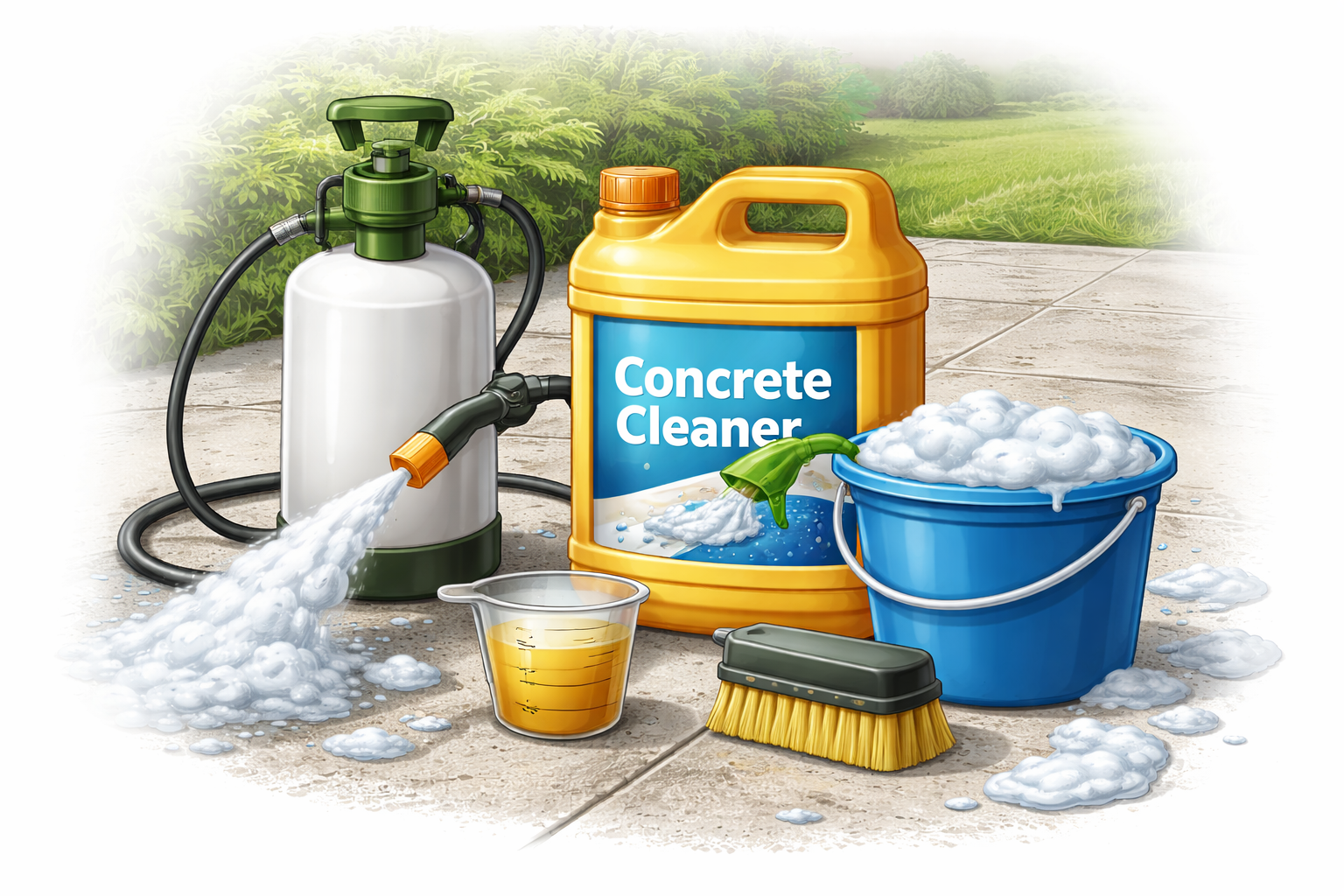
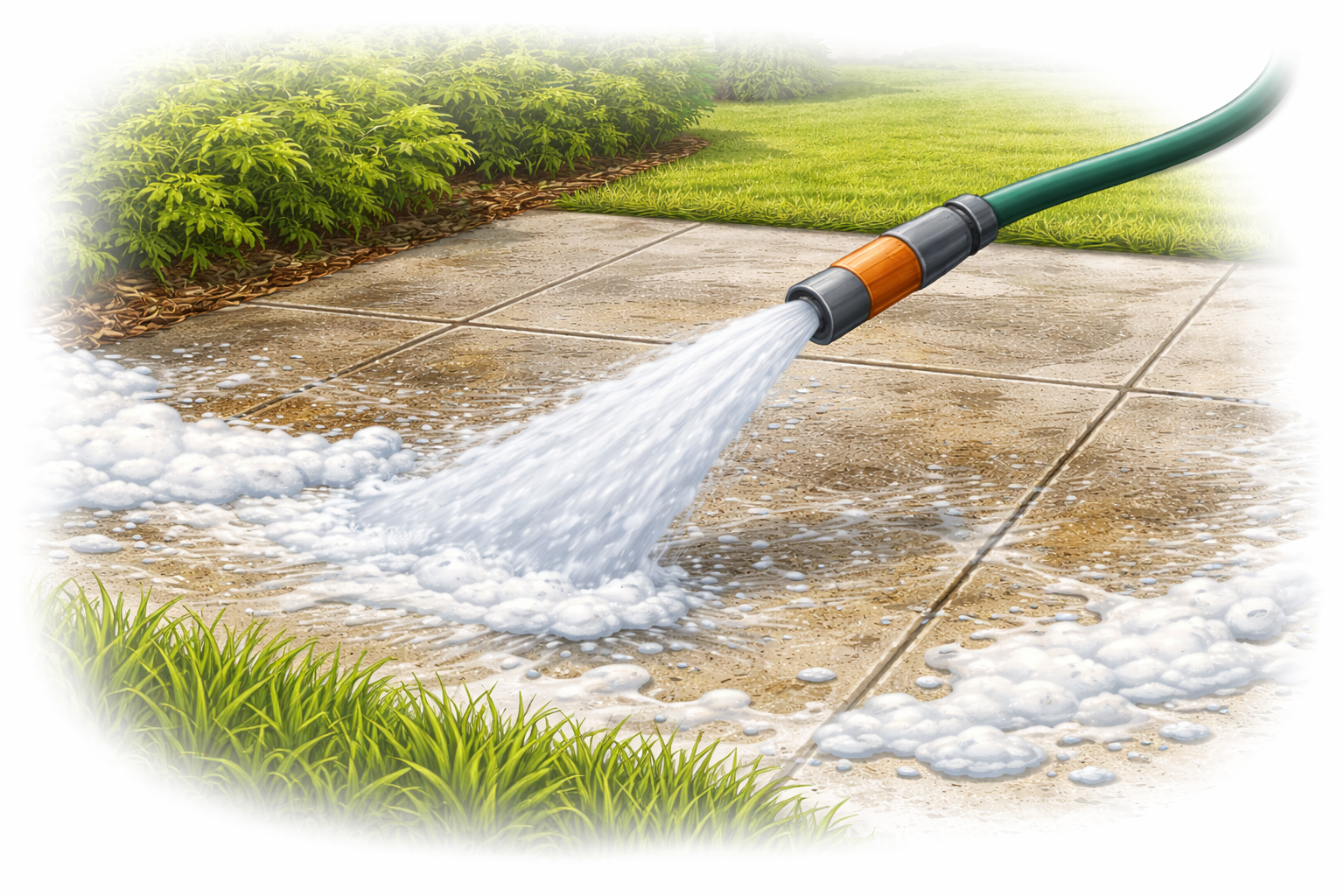
Pressure Washing vs Soft Washing
Pressure Washing
- Uses high pressure
- Works fast on heavy dirt
- Can damage concrete if done wrong
Soft Washing
- Uses low pressure
- Cleaner-driven for mildew and algae
- Often safer for older concrete
Concrete Patio Cleaning Cost
Pricing depends on patio size, stain severity, accessibility, and local rates. For accurate pricing in your area, request a quote below.



Frequently Asked Questions
Can I pressure wash my patio myself?
Yes, but use a wide spray, keep the wand moving, and avoid older or damaged concrete. Pre-treating with a cleaner is often the real difference-maker.
How often should I clean concrete?
Sweep and rinse as needed. Deep clean once or twice a year, more often in shaded or humid areas where algae grows faster.
Why do stains keep coming back?
Moisture, shade, and poor drainage can cause algae and mildew to return. Treat the root cause (sprinklers, puddling) to keep patios cleaner longer.
Get a Free Quote
Tell us your zip code and what your patio needs. We’ll route your request and notify you by email.